

Nyheter
Hjem / Nyheter / Bransjyheter / How Many Strands for Cross Stitch? A Complete Guide for Every Stitcher
75/36 100% elastisk garn 20D denier luftpakket garn: Innovativ teknologi forbedrer stoffpustenhet
Jun 06,2025
Unraveling the Holdbarhet: Hvorfor polyesterbrodertråd hersker suveren
Jun 06,2025
Kraften til nonwovens: Hvordan ikke-vevde stoffer påvirker det moderne livet
Jun 06,2025
Fra styrke til beskyttelse: Nylon -kabelytelse og valgguide for forskjellige applikasjoner
Jun 06,2025
Kreative måter å innlemme paljettgarn i klesdesign for fantastiske visuelle effekter på
Jun 06,2025Few questions come up as often in stitching circles as "how many strands for cross stitch?" It sounds simple, yet the answer shifts with fabric count, stitch style, and personal preference. As a thread manufacturer, we have watched stitchers change the whole mood of a project just by adding or removing a single strand. Whether you are picking up a needle for the first time or returning to cross stitch after a long break, this guide will help you choose the right strand count with confidence.
For most designs, two strands of six-strand embroidery floss is the right starting point. Two strands give clean coverage on 14-count Aida cloth, the most commonly used cross stitch fabric, without distorting the weave or making the design feel heavy. On 11-count Aida, use three strands. On finer fabrics, use one strand for outlines and small details. The table below shows the usual combinations for common fabric counts.
| Fabric | Cross Stitch Strands | Backstitch Strands | French Knot Strands |
|---|---|---|---|
| 11-count Aida | 3 | 1-2 | 2-3 |
| 14-count Aida | 2 | 1 | 2 |
| 16-count Aida | 2 | 1 | 1-2 |
| 18-count Aida | 1-2 | 1 | 1-2 |
| 28-count evenweave (over two) | 2 | 1 | 2 |
| 32-count evenweave (over two) | 1-2 | 1 | 1-2 |
| Waste canvas / rug canvas | 4-6 | 2 | 3-4 |
These numbers are reliable starting points, not rigid rules. A stitcher working a delicate motif on 14-count fabric may choose one strand for an airy look, while another may add an extra strand to make the design pop. The table gives you a dependable baseline; your own needle will tell you what feels right.
Strand count affects far more than colour intensity. With too few strands, the Aida fabric shows through the stitches and the design looks washed out. With too many, the stitches become bulky, the needle drags, and the holes in the fabric stretch out of shape. A well-chosen strand count lets each stitch sit neatly over the intersection of the fabric threads, covering it completely while keeping the tension even.
Here are the common signs that your strand count is off:
Dark fabric is the classic exception. On black or deep navy Aida, an extra strand helps prevent the ground colour from showing through the stitch. Some stitchers use three strands on 14-count when stitching on dark fabric, even though two strands would be the standard rule.
Each Aida count has a natural strand number that suits its grid size. On 11-count Aida, the squares are larger and three strands fill them nicely. On 14-count Aida, two strands are the classic choice. On 16-count Aida, two strands still provide good coverage, while one strand gives a more delicate result. On 18-count Aida, one or two strands both work; one is usually better for lettering and tiny motifs.
When you move to evenweave and stitch over two threads, the same logic applies. On 28-count evenweave stitched over two, two strands give coverage similar to 14-count Aida. On 32-count evenweave, one or two strands work depending on how much fabric you want visible between stitches.
If you are stitching onto waste canvas or a heavier canvas for a bold, rug-like finish, you can bundle four to six strands for a textured look. For this kind of project, a heavier three-ply thread is also a good option because it gives body to the stitch without having to bundle many floss strands together.
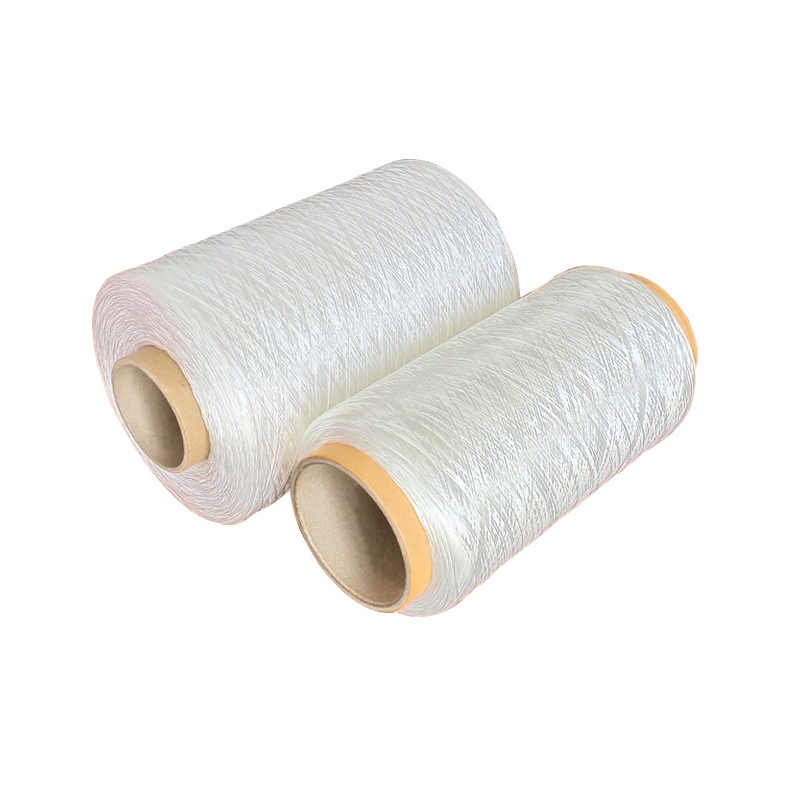 High-Strength 450D/3 Polyester Thread for Heavy-Duty StitchingThis three-ply polyester thread offers extra durability for high-load embroidery, ideal when working on thick canvas or rug-like finishes. Test a small block first to gauge coverage before committing.View Product →
When in doubt, stitch a small test block on the corner of your fabric. Compare two strands and three strands side by side, and look at the coverage in natural light. The difference is often subtle until you see it next to the actual design colours.
Backstitching outlines are nearly always worked with one strand so that the line stays sharp and readable. French knots can take two strands wrapped around the needle; for a bigger, softer knot, use three. Quarter stitches and three-quarter stitches look cleaner with one strand, because an extra strand thickens the diagonal and can blur the shape of the partial stitch.
When you want to blend two colours in a single stitch, pull one strand of each colour. That gives you a two-strand total with a balanced mix of both shades. If you blend a dark and a light tone, the lighter one will influence the overall look more than you might expect, so it is worth testing on a scrap of fabric.
Eyelet stitches and other decorative pulled stitches also benefit from a lighter strand count, since the goal is to show the opening in the centre of the stitch. One strand keeps the eyelet crisp and precise.
The six-strand floss assumption does not apply to every thread. Perle cotton, crochet cotton, and twisted machine threads are already single threads with their own thickness, so the guidance shifts. Our cotton embroidery floss is a lovely choice if you want a traditional, matte finish for hand cross stitch; split it just as you would a six-strand floss and follow the same strand count rules.
For stitchers who prefer extra consistency and sheen, polyester embroidery thread is a dependable alternative. It resists fraying better during long projects and keeps its colour through repeated washing. If you are adding machine-embroidered accents around a cross stitch piece, a smooth polyester thread such as our 108D/2 embroidery thread glides through fabric and gives a neat, uniform line.
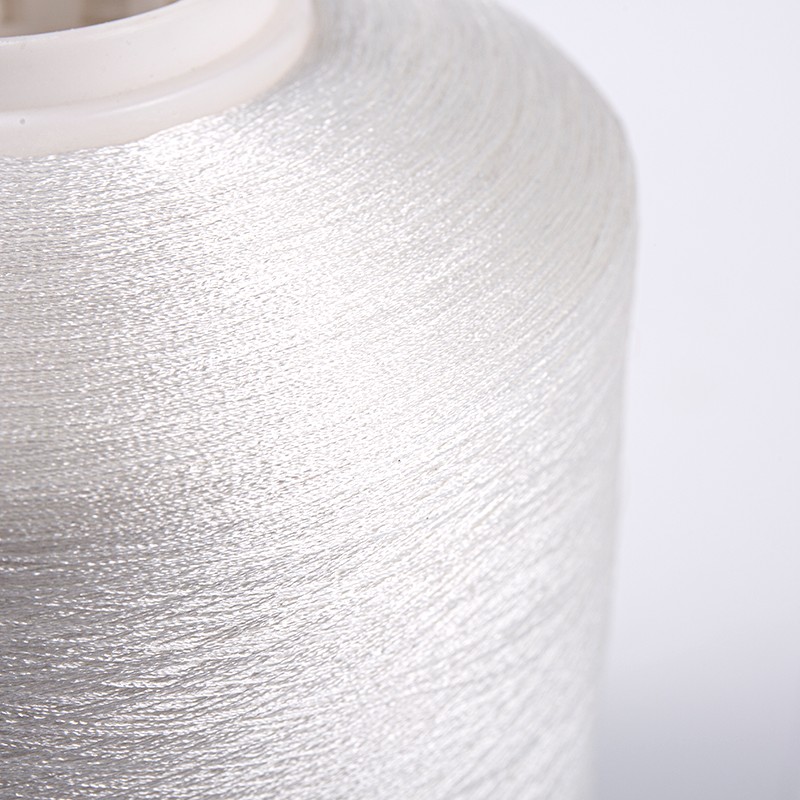 Glossy 108D/2 Polyester Thread for Fine Machine DetailsA smooth polyester thread with high gloss, this 108D/2 option resists fraying and creates clean, even lines—perfect for complex lace, fine textures, and small lettering on cross-stitch pieces.View Product →
And when a design calls for a soft highlight with a touch of gloss, rayon thread is a beautiful companion to cotton floss. Its gentle shine catches the light without overpowering the stitch pattern.
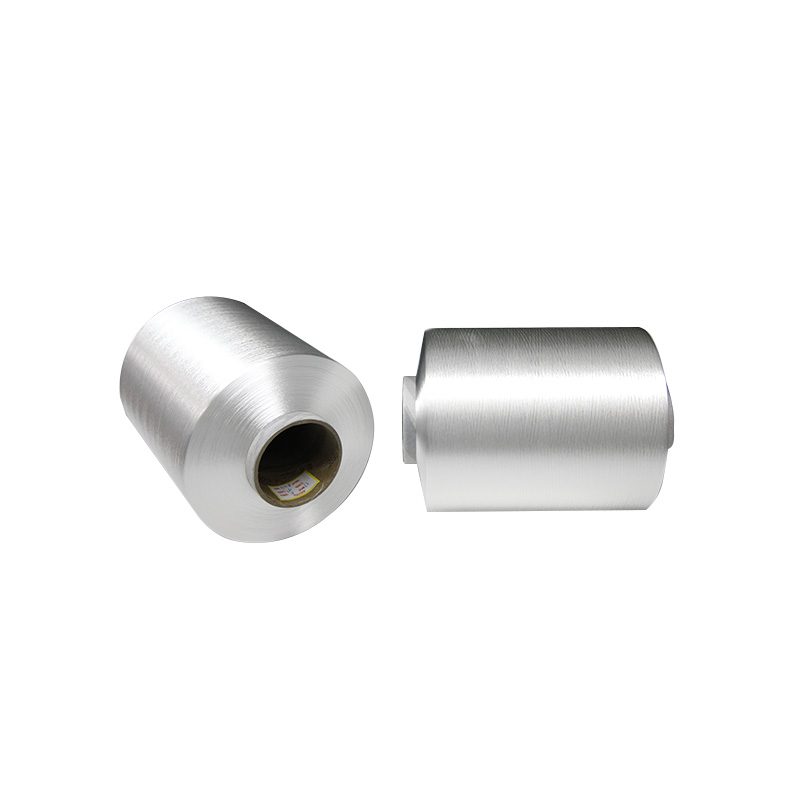 Large-Spool 300D/2 Viscose Rayon for Lustrous AccentsThis viscose rayon thread adds a soft shine when paired with cotton floss, and its huge spool reduces thread changes during long production runs. Suitable for luminous highlights and seamless continuity.View Product →
A common frustration in cross stitch is tangling, and most tangles begin when strands are separated poorly. Cut a working length of about 45 centimetres, no more, because longer threads fray and knot with every pass. Pull one strand at a time from the bundle, then lay the separated strands together and let them align naturally before threading the needle.
Knowing how many strands to use for cross stitch is a small piece of knowledge, but it shapes the entire look of a project. Start with the standard two strands on 14-count fabric, adjust for the fabric you choose, and never be afraid to experiment. If you are planning a new project, explore our selection of cross stitch and hand embroidery threads; we make threads for stitchers who care about colour, consistency, and the quiet joy of a well-covered stitch.
E -postadressen din blir ikke publisert. Nødvendige felt er merket *
*Indikerer et nødvendig felt
Copyright ©
Shaoxing Qiufei Textile Technology Co., Ltd.